All the things we buy use a lot of energy — to source raw materials, to manufacture, and to transport — and thus, have big implications for the climate. Read what the Columbia Climate Schools says about How Buying Stuff Drives Climate Change.
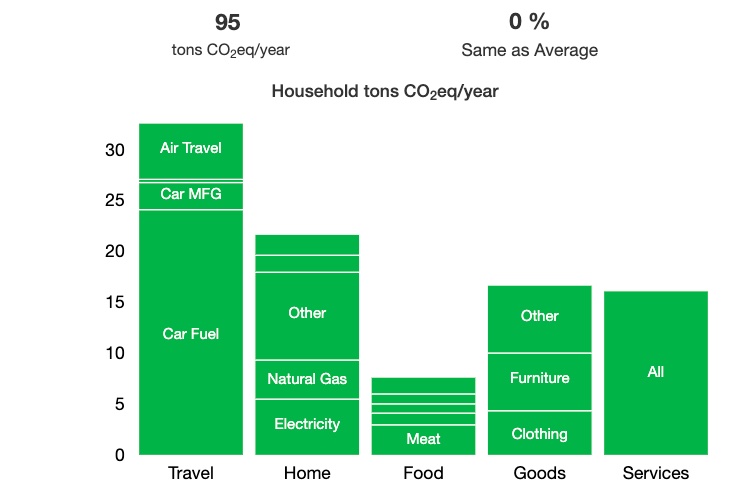
The CoolClimate carbon calculator indicates that a typical Acton household is responsible for a lot of carbon emissions related to purchases: roughly 4.4 tons from clothing purchased each year, 5.7 tons annually for furniture purchased, and another 6.7 tons per year from other goods. To make matters worse, the things we buy often end up in the waste stream (landfills or incinerators), where they generate additional unwanted carbon and methane emissions.
The more mindful you are about your purchases — i.e., being thoughtful about needs vs. wants — and the more you reduce purchases of “optional” items, the less energy will be consumed on your behalf and the less waste will be generated in the end. Both lead to reductions in carbon emissions.
Reduce, reuse, and repurpose (and recycle). We can create a less consuming, more sharing economy and society. As we buy fewer new goods, and shift purchasing when possible to used, repurposed, and/or repaired items, the fewer new goods will need to be produced. This approach is far better for the climate; considering your options before you buy will save both money and carbon emissions. (And when you do need to buy new, support your local businesses!)
How do we become more mindful about our consumption?
First, make a conscious commitment to think through each potential purchase and identify whether it is a “need” or a “want.” Try a 30-day “Buy Nothing” challenge; then reflect on your experience and think of ways to incorporate ideas gained into your life permanently. Some other ideas:
- For three months, write down things you would normally order online; at the end of that time, consider whether you actually do need those things.
- Commit to purchasing secondhand, and purchase new only if what you need is not available used. Local thrift stores and consignment clothing stores offer secondhand clothing and household items in good condition at deeply discounted prices. Nextdoor Acton and Craigslist Boston Metro West, as well as Freecycle and Facebook “freebie” pages offer many used items for sale or for free.
- Commit to buying no new clothes for six months. Stick to the motto “Use it up, wear it out, or do without.”
- Tailor, repair, or mend clothing or apparel items; find a neighbor or local tailor if you need help!
- Check out local repair services or volunteer “repair clinics/cafes,” or search online for how to repair items before buying new. Green Acton offers “Fix-it Clinics” during the year. Check the Green Acton calendar.
- Let friends and neighbors know you welcome sharing! Borrow or share tools and equipment with them; join or start a lending club or a sharing program, such as the Boxborough FreeBee Network and Market.
- Find inspiration from articles or blogs by others who have experimented with buying less (search “buy nothing challenge”).
- Talk with Acton seniors, “frugal families,” and/or friends from other cultures, who may practice some of these resource-saving actions. If you have friends or relatives on this “conscious consumer” journey, ask them to share their practices with you.
- Be sure to sell or donate unwanted items for others to use, to keep them out of the landfill & pay it forward. Items can be donated to the Swap Shop at the Acton Transfer Station, to Household Goods, the Cornerstone Thrift Shop, or other local programs. (See more below.)
- Remove yourself from merchant mailing lists to avoid temptation!
- Consider tips from additional sources, such as: “How green are you? A beginner’s guide to climate responsibility,” by Karen Campbell, Globe Correspondent, Boston Globe, April 21, 2021; or “Useful Links: Recycling, Low-Impact Living,” Green Acton website.
Check out these local options for donating and sourcing used goods:
- Town of Acton ‘Swap Shop’ at the Transfer Station accepts used items
- Household Goods takes used household appliances, kitchen items, linens, and more
- More Than Words, the job training and youth development program, accepts books and textiles at the donation containers at Household Goods (stay left when going up the drive).
- Cornerstone Thrift Shop at Acton Congregational Church offers lightly used clothing and shoes for all ages plus small housewares, toys, CDs, and books
- A Goodwill truck at 211 Sudbury Road in Concord (Crosby’s Marketplace plaza) accepts donations of apparel and household goods
- Friends of Acton Library Book Sales and “little lending libraries” around town accept used books
- Unwanted textiles can be dropped at the textile recycling bin at the Acton Transfer Station, or at the Boxborough Sargent Library in the Bay State Textile Recycling depository